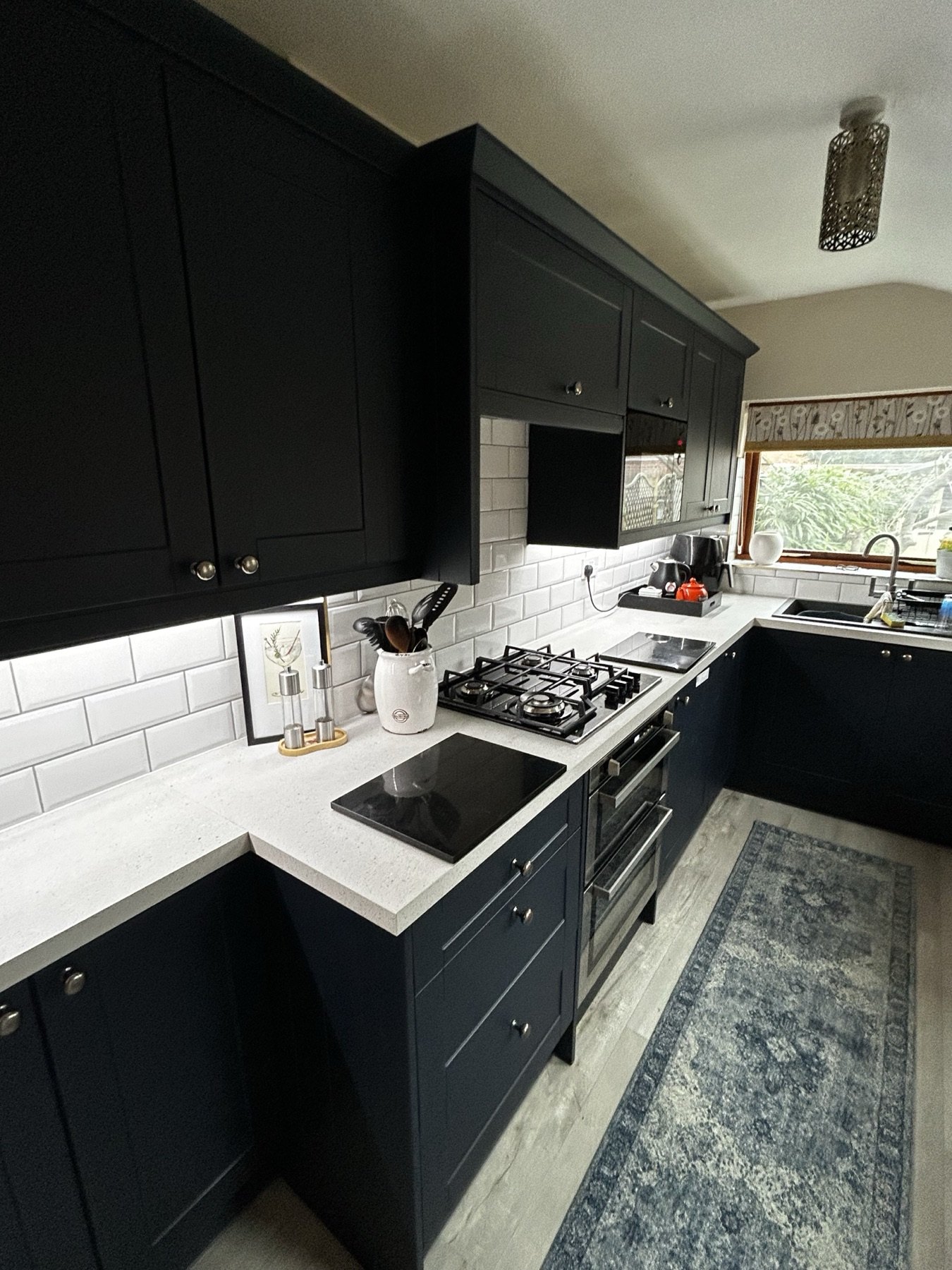
A practical homeowner checklist for checking a kitchen delivery, recording shortages and preparing the room before installation begins.
Kitchen fitting usually goes more smoothly when the delivery is checked before the first cabinet is fixed. A delivery can arrive in several parts, and a missing panel, damaged door or wrong appliance detail is easier to deal with before installation is under way.
This is not about expecting a perfect box-by-box audit from memory. It is about using the supplier plan, delivery paperwork and the room itself to spot anything that could affect the agreed installation sequence.
Check the main items against the plan
Keep the order confirmation and kitchen plan available when the delivery arrives. Check the obvious high-impact items first:
- cabinet carcasses, doors and drawers;
- tall housings, end panels, plinths and trims;
- worktop material and any upstands or splashbacks;
- sink, tap, hob and appliance models where they are part of the order;
- handles, hinges and any visible accessories;
- any items marked as delayed, backordered or separately delivered.
You do not need to unpack every protected component on the pavement. Photograph any visible damage, keep the packaging where practical, and report a concern through the supplier's stated route. Do not assume a fitter can replace a supplier item without the supplier's agreement.
Make the room ready for the agreed start
The delivery check sits alongside the practical preparation already covered in the kitchen installation timeline. Before fitting starts, confirm that access is clear, the old kitchen arrangement matches the agreed scope, and the final appliance and worktop choices are known.
If the project includes a retailer kitchen, the supplier-kitchen fitting guide explains why the installer needs the actual room and supplied components to match the plan. A late shortage can change the order of work, so it is better to flag it early than make assumptions on site.
Record issues clearly
For any missing or damaged item, keep a simple record:
- the item name or code from the order;
- a photo showing the issue where useful;
- the date it was noticed;
- the supplier reference and the response received;
- whether it prevents a particular part of the installation.
That gives the homeowner, supplier and installer a shared factual starting point. It is more useful than promising a completion date before replacement items or room conditions are known.
Ask about the installation sequence
Before booking a fixed start date, ask which items are essential for the first stage and which can follow later. Worktops, for example, may have their own sequence after the units are fitted; the worktop templating guide explains what needs to be settled before that appointment.
If you have a supplier plan, delivery list and room photos, send them to TLS Kitchens for a practical scope check. The next step is to clarify the work and site readiness, not to assume a price, date or availability.
Thinking about a new kitchen?
Book a relaxed, no-obligation design consultation with Tim — a clear, honest quote and a kitchen designed around how you live.
Book a Consultation See Recent Kitchens